


Japan Earthquake: 147 Indonesians Affected, RI Embassy Provides Help
The Embassy recorded 38 displaced Indonesians in the Ogi area, 25 in Suzu, 27 in Saikai, five in Wajima, and 52 in Nanao.
news

The Embassy recorded 38 displaced Indonesians in the Ogi area, 25 in Suzu, 27 in Saikai, five in Wajima, and 52 in Nanao.

Jokowi also proposed educational cooperation and research development according to priorities between countries.
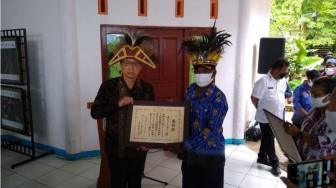
the late Meki Kapitarauw and Yusuf Rumaropen, are considered deserved a gratitude by the Japanese government in collecting the skeletons of Japanese soldiers who died in World War II

Indonesia and Japan are set to deepen their collaboration on the Free Nutritious Meals (MBG) programme through multi-ministerial discussions, as announced by the Presidential Communication Office (PCO).
The program, which aims to combat childhood malnutrition, was recently introduced across 26 provinces in Indonesia and is supported by over 190 kitchens dedicated to providing free meals to vulnerable groups, including schoolchildren, toddlers, and pregnant women.
According Antara News Agency, following a meeting between President Prabowo Subianto and Japanese Prime Minister Shigeru Ishiba in Bogor, West Java, both leaders expressed a commitment to advancing the programme. The two countries will now coordinate efforts to implement the initiative, with Japan offering its expertise based on over 80 years of experience in similar programmes.
This includes providing training for school lunch programmes and supporting improvements in fisheries and agriculture.
Both nations also plan to expand their cooperation in sectors like industrialization, energy, maritime affairs, and defense. This partnership signals a significant step in addressing malnutrition and enhancing public health in Indonesia.


